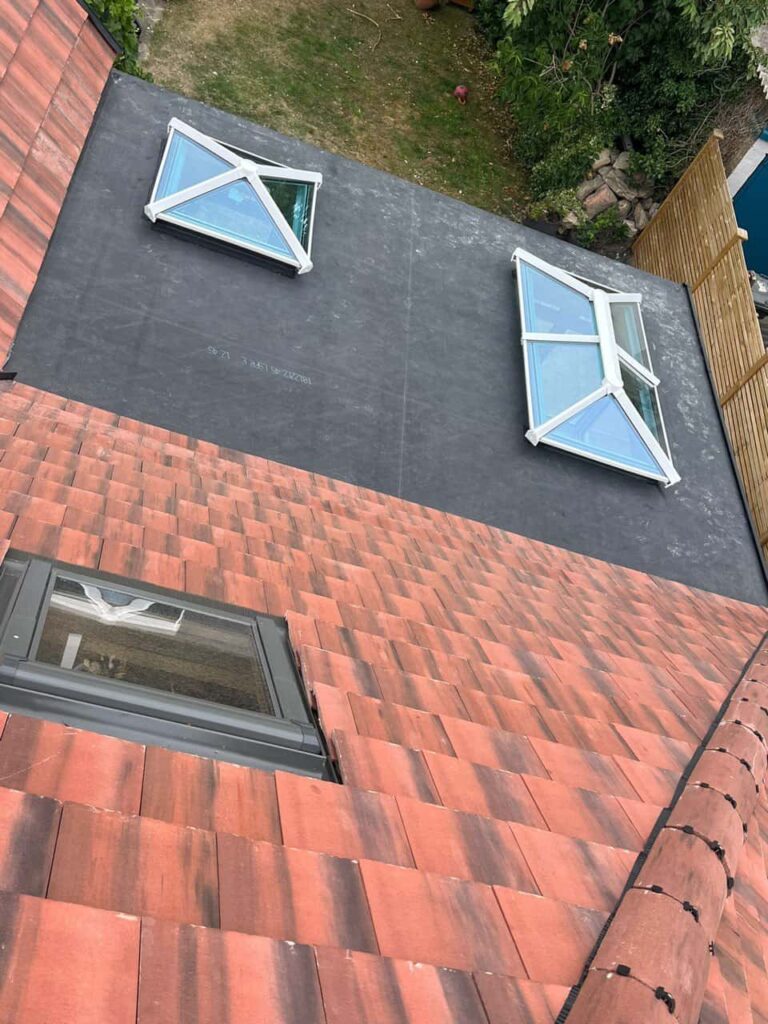
Commercial roofs are often expected to protect substantial buildings, equipment, stock and working areas beneath them. Because of their size, even a relatively small roofing defect can become significant if it remains unnoticed or untreated. A minor weakness affecting one section may allow water to penetrate the roofing system, while continued exposure can gradually increase the area requiring attention.
For commercial property owners and managers in Bloxwich, West Midlands, understanding how minor roof defects develop is an important part of maintaining a dependable roofing system. Prompt professional assessment can help identify localised deterioration before it begins affecting a much larger section of the roof.
Why Large Commercial Roofs Require Particular Attention
The greater the roof area, the more components, joints, drainage points and vulnerable details there may be to monitor.
A commercial roof can include numerous features such as:
- Roof coverings and membranes
- Seams and joints
- Drainage outlets
- Flashing
- Roof edges
- Penetrations for equipment
- Changes in level
- Junctions between different materials
Each detail needs to perform correctly as part of the complete roofing system.
A defect affecting only a small percentage of the overall surface can therefore be easy to overlook, particularly when much of the remaining roof appears perfectly sound.
Small Leaks Can Spread Beyond the Original Entry Point
One of the challenges with commercial roof leaks is that the place where water becomes visible internally may not be directly beneath the external defect.
Once moisture enters the roofing construction, it can travel along materials or through different layers before appearing inside the building. This can make a seemingly straightforward leak more difficult to diagnose.
By the time staining or dripping becomes noticeable, the affected area may extend beyond the original point where water entered.
Professional investigation is therefore important for locating the actual defect rather than simply treating the most visible symptom.
Minor Surface Damage Can Worsen With Continued Exposure
A small split, crack or damaged section of roofing material may initially appear insignificant.
However, commercial roofs remain exposed to changing weather throughout the year. Rainfall, wind and temperature variations can repeatedly act upon an existing weakness.
If the damaged area continues deteriorating, a minor defect can gradually become:
- A larger split
- A weakened joint
- A persistent leak
- A wider area of damaged covering
- A problem affecting materials beneath the surface
Early repairs can help prevent this progression.
Water Can Affect Areas Beneath the Roof Covering
The visible roof surface is only one part of a commercial roofing system.
Where water penetrates through a defect, moisture may begin affecting underlying materials before there are obvious signs from inside the building.
This is one reason why waiting for a significant internal leak is not an ideal maintenance strategy. By that stage, the original surface defect may have been present for some time.
Professional inspection can identify deterioration at an earlier stage and determine how far the problem extends.
Drainage Problems Can Affect Large Sections
Commercial roofs often need to manage considerable quantities of rainwater because of their overall surface area.
Drainage therefore plays a particularly important role.
Blocked or poorly functioning outlets can cause water to remain on parts of the roof for longer than intended. Low areas may also develop where the surface or underlying structure has changed over time.
Persistent standing water can place additional demands on:
- Roof coverings
- Joints
- Seams
- Flashing
- Drainage details
- Previously repaired sections
Keeping drainage routes functioning correctly can therefore help protect much more than the immediate area surrounding an outlet.
Roof Joints and Seams Need to Remain Secure
Many commercial roofing systems contain joints or seams connecting different sections of material.
These details can become vulnerable if they begin separating, lifting or deteriorating.
A very small opening can provide a route for wind-driven rain. Once moisture begins penetrating the joint, surrounding materials may experience further deterioration.
Regular professional assessment can identify early changes before substantial separation develops.
Roof Penetrations Create Additional Vulnerable Areas
Commercial roofs frequently contain penetrations associated with ventilation systems, pipes and other building equipment.
Wherever an object passes through the roof covering, careful weatherproofing is required.
These junctions can become vulnerable because different materials meet within a relatively small area. Movement, ageing or deterioration of surrounding seals and flashing can eventually create an entry point for water.
These details deserve particular attention during commercial roof inspections.
Roof Edges Can Be Exposed to Strong Wind Forces
The perimeter of a commercial roof can experience considerable wind pressure.
If edge materials or fixings begin to loosen, continued exposure can gradually increase movement. What starts as a small lifted section can potentially expose a larger area during subsequent periods of strong wind.
Loose edge details should therefore be assessed promptly rather than waiting until more obvious damage develops.
Previous Repairs Need Monitoring
Commercial roofs often remain in service for many years and may receive localised repairs at different stages.
A properly completed repair can provide an effective solution, but repaired areas should still form part of future roof inspections.
The condition of the surrounding original roofing material is particularly important. Even when an earlier repair remains sound, adjacent sections may continue ageing and eventually require attention.
Looking at the wider roof helps prevent new defects being mistaken for failure of previous work.
Foot Traffic Can Create Localised Wear
Some commercial roofs need to be accessed periodically for maintenance of equipment or other building services.
Repeated movement across particular routes can place additional demands on roofing materials, especially if appropriate access arrangements are not in place.
Small areas of wear may initially be difficult to notice but can become progressively worse with continued traffic.
Where regular roof access is required, these frequently used sections deserve particular attention during inspections.
A Large Roof Can Hide Problems From Ground Level
Many residential roofing defects can sometimes be noticed from the garden or surrounding ground. Large commercial roofs can be very different.
Their size, height and often relatively shallow pitch can make significant areas impossible to inspect properly from below.
As a result, defects may remain hidden until they cause more noticeable symptoms.
This is why relying solely on visible signs from ground level can leave substantial sections of a commercial roof effectively unchecked.
Internal Signs Should Never Be Considered in Isolation
Water staining inside a commercial property provides useful evidence, but it does not reveal the complete condition of the roof.
If moisture appears internally, professional assessment should consider the corresponding roof area as well as surrounding sections.
Signs worth investigating include:
- Ceiling staining
- Damp patches
- Dripping during rainfall
- Moisture around structural components
- Repeated dampness in the same general area
The objective is to trace the problem back to its actual source and determine whether deterioration has spread.
Why Localised Repairs Can Be Highly Effective
A small defect does not automatically mean a commercial roof requires extensive work.
When deterioration is identified early and the surrounding roofing system remains in good condition, a targeted professional repair may be entirely appropriate.
This is one of the main reasons early detection matters. It creates an opportunity to address a defect while it remains confined to a manageable section.
The correct approach should always depend on the condition of the roof rather than assumptions based solely on its age or size.
When Several Small Defects Point to a Wider Problem
Individual defects can sometimes form part of a broader pattern.
For example, finding deterioration at numerous joints, multiple leaking sections or several areas of surface damage may indicate that the roofing system is ageing more generally.
At this stage, repeatedly addressing each defect separately may not provide a complete understanding of the roof.
A broader assessment can establish whether problems remain independent or whether more widespread deterioration is developing.
Regular Assessment Helps Build a Clearer Picture
Commercial roofing problems are generally easier to manage when changes are identified before serious water ingress develops.
Periodic assessment provides an opportunity to examine:
- Surface condition
- Joints and seams
- Roof edges
- Drainage areas
- Flashing
- Penetrations
- Previous repairs
- Signs of localised deterioration
This creates a clearer understanding of how the roof is performing and which areas may require attention.
Why Professional Diagnosis Matters
The visible defect is not always the complete problem.
Repairing only the obvious surface damage without determining why it developed can allow the underlying cause to remain. For example, a damaged section close to a drainage area may be connected to persistent water accumulation rather than simply normal surface ageing.
Professional roofers assess the affected area within the context of the wider roofing system.
This helps ensure repairs address the source and extent of the defect rather than simply improving its appearance.
Prompt Repairs Can Protect the Wider Roofing System
The value of dealing with small commercial roof defects promptly lies in preventing unnecessary progression.
Once a roof has a vulnerable point, continued weather exposure can repeatedly affect that area. Water ingress may spread beneath the covering, loose materials may move further and neighbouring components can become exposed to additional stress.
Professional repairs carried out at the appropriate stage can help preserve otherwise serviceable sections of the commercial roof.
Why Choose Bloxwich Roofing Repairs?
Bloxwich Roofing Repairs provides professional roofing services throughout Bloxwich, West Midlands, including the assessment and repair of commercial roofing problems.
Our approach focuses on identifying the actual cause and extent of deterioration before determining the appropriate work. Whether the problem involves localised surface damage, leaks, joints, flashing, drainage areas or other vulnerable roof details, careful assessment helps establish whether targeted repairs or more extensive roofing work is required.
For commercial properties, this considered approach is particularly valuable because addressing developing defects can help maintain the performance of the wider roofing system.
Conclusion
Small defects can become bigger problems across large commercial roofs because water and deterioration are not always confined to the area where the original damage occurred. Minor splits, weakened joints, drainage issues, loose edges and defects around roof penetrations can gradually affect surrounding materials when they remain exposed.
The size of a commercial roof can also make early problems difficult to identify, particularly when large sections cannot be inspected effectively from ground level.
For commercial property owners and managers in Bloxwich, West Midlands, dealing with suspected roof defects promptly can help prevent localised deterioration from becoming a wider roofing issue. Bloxwich Roofing Repairs can assess the condition of the roof, identify the source of any problems and provide appropriate professional repairs to restore dependable protection.
Call us on: 01922 661 599
Click here to find out more about Bloxwich Roofing Repairs
Click here to complete our contact form and see how we can help with your roofing needs.